Vapes & Hemp
THCA vs Delta-9 THC: What’s the Difference?
THCA is the acidic precursor that becomes delta-9 THC with heat. Learn how hemp is defined, why THCA is sold as hemp…
 Skip to content
Adults 21+ only. Tracked US shipping in plain, unbranded packaging.Tracked, discreet US shipping.


If you’re comparing delta 8 vs delta 9 (and delta-10 while you’re at it), the short answer is that all three are forms of THC that share the same atoms but differ in where one chemical double bond sits. That small structural difference changes how each one is sourced, labeled, and regulated, which is what this guide walks through in plain English.
THC stands for tetrahydrocannabinol. The “delta” number refers to the location of a double bond, a spot where two carbon atoms share two pairs of electrons instead of one, within the molecule’s ring structure. Chemists number the carbon atoms, and the delta number tells you which carbon that double bond starts on.
Because they share the formula C21H30O2, these three are called isomers. Think of them as the same set of building blocks arranged slightly differently. That arrangement is enough for labs to tell them apart in testing, and enough for lawmakers to treat them differently. A label that lists one is not interchangeable with a label that lists another.
Since hemp contains so little natural delta-8 or delta-10, most of what you see on the market starts as CBD extracted from hemp. Manufacturers use a chemical process, often called conversion or isomerization, to rearrange the CBD molecule into delta-8 or delta-10 THC. The result is refined into a distillate that goes into finished goods.
Hemp-derived delta-9 works a bit differently. Hemp naturally contains small amounts of delta-9, and some producers extract it directly, while others use conversion. Either way, the finished product has to meet the federal dry-weight limit to be sold as hemp.
All three compounds are sold in similar formats. What changes is the cannabinoid listed on the label and whether it’s a single-cannabinoid product or a blend.
Many products are blends that combine delta-8 with delta-9, delta-10, or other hemp cannabinoids. When that’s the case, the label or COA should list each one.
| Delta-8 THC | Delta-9 THC | Delta-10 THC | |
|---|---|---|---|
| What it is | THC isomer with the double bond on the 8th carbon | THC isomer with the double bond on the 9th carbon; the form named in federal law | THC isomer with the double bond on the 10th carbon |
| Common formats | Gummies, disposables, carts, pre-rolls | Gummies and other edibles, some blended vapes | Disposables and carts, often in blends |
| How it’s typically sourced | Converted from hemp-derived CBD | Extracted from hemp or converted; held at or under 0.3% by dry weight | Converted from hemp-derived CBD |
| Legal status note | Federal status tied to the Farm Bill hemp definition; state laws vary | Hemp-derived is federally allowed at or below 0.3% dry weight; marijuana-derived is federally controlled | Similar to delta-8; state laws vary and change |
Browse each category directly: delta-8 products, hemp-derived delta-9 products, and delta-10 products.
The 2018 Farm Bill defines hemp as the cannabis plant and its derivatives containing no more than 0.3% delta-9 THC on a dry-weight basis. Anything above that line is treated as marijuana under federal law.
That definition is why hemp-derived delta-9 edibles exist. The limit is a percentage of the product’s total dry weight, not a fixed number of milligrams. A gummy is heavy relative to the cannabinoid it contains, so it can include a measurable amount of delta-9 THC while staying at or under 0.3% of its total weight. Manufacturers formulate around that ratio, and the COA is where you confirm the math checks out.
The Farm Bill text names delta-9 specifically. Delta-8 and delta-10 sold under the hemp framework rely on being derived from hemp that meets the definition. That’s one reason their status has been debated and why many states have written their own rules.
Federal law sets a baseline, but states can be stricter. Some restrict or prohibit delta-8 and delta-10, others regulate them through licensing, packaging, or age rules, and some limit specific formats. These laws are updated frequently. Before ordering, check the current rules in your state. Our shipping policy explains where we can and can’t ship.
Tip: Match the batch or lot number printed on your package to the batch number on the COA. A lab report only describes the batch it tested, so a mismatched or missing number means you’re not looking at the right document.
Standard drug screens generally look for THC metabolites, and they don’t reliably distinguish between delta-8, delta-9, and delta-10. Using any of these products, including federally compliant hemp-derived ones, can lead to a positive result. If you’re subject to workplace, athletic, or legal testing, factor that in before buying anything containing THC.
A Certificate of Analysis is a lab report for a specific batch. You can find ours on the lab results page. Here’s what to scan for:
No. They’re isomers, meaning they share the same atoms but have the double bond in a different position. Labs test for them separately, and laws often treat them differently.
The federal limit is 0.3% delta-9 THC by dry weight. Because a gummy’s total weight is much larger than its cannabinoid content, it can contain delta-9 while staying under that percentage. Check the COA to confirm.
No. Some states restrict or ban these products, and rules change regularly. Check your state’s current laws and review our shipping policy before ordering.
It can. Most drug tests look for THC metabolites and don’t reliably separate delta-8, delta-9, and delta-10, so any of them may trigger a positive result.
Delta-8, delta-9, and delta-10 are closely related THC isomers that differ in one double bond. That difference shapes how they’re made, labeled, and regulated. Know your state’s rules, read the label, and check the COA for every batch before you buy.
This article is for general information only and isn’t legal or medical advice. Hemp-derived products are for adults 21+. Laws vary by state; check yours before ordering.
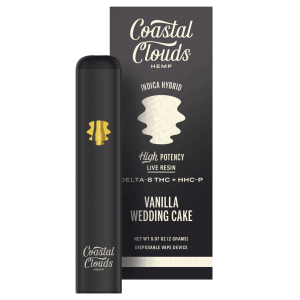
THCA is the acidic precursor that becomes delta-9 THC with heat. Learn how hemp is defined, why THCA is sold as hemp…
Oct 10, 2026 · 6 min read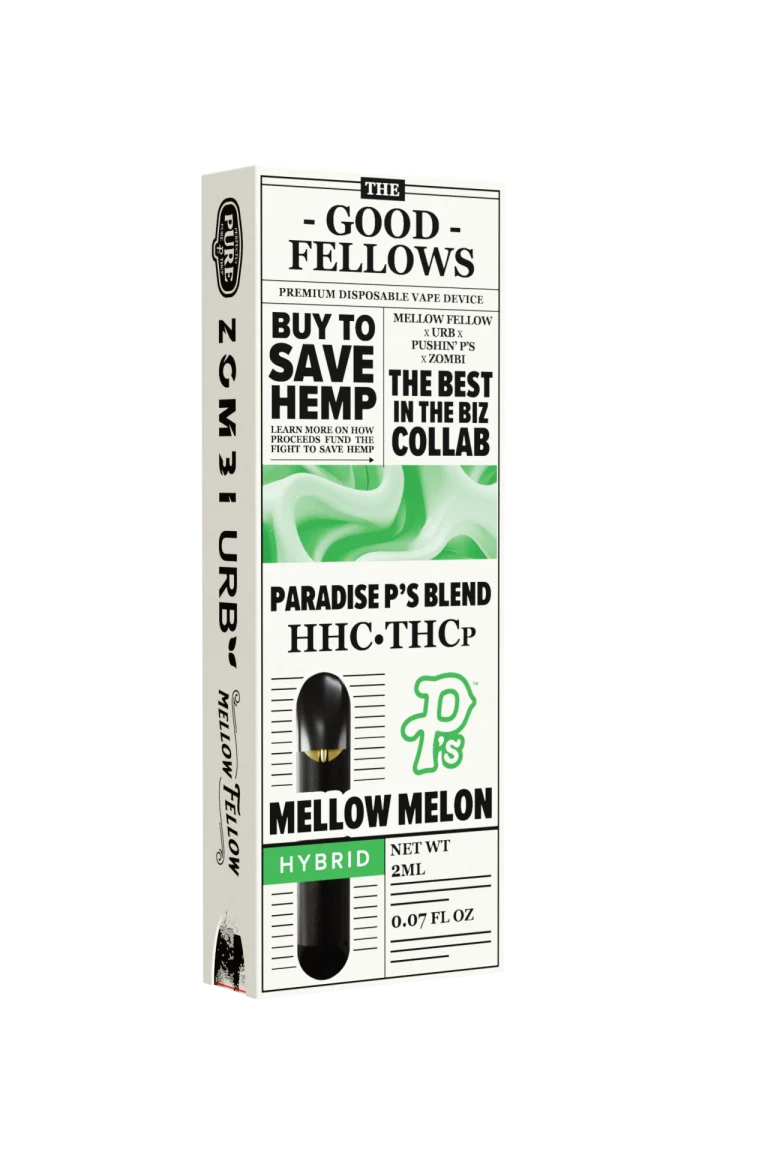
What THC-P is, how it shows up in hemp blends, the formats you will see on shelves, and how to read the…
Oct 10, 2026 · 6 min read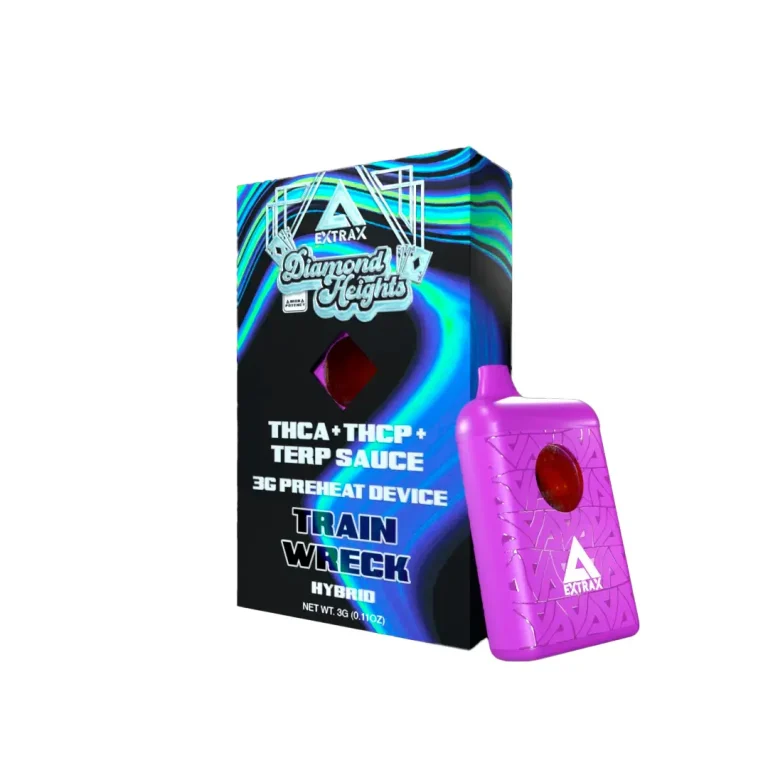
What to check before buying a THC disposable vape, plus how to store, charge, unclog and recycle it so it lasts to…
Oct 10, 2026 · 7 min read You must be at least 21 years old to enter this site. By entering, you confirm you are of legal age to purchase smoking accessories and hemp-derived products in your state.
Sorry, you must be 21 or older to enter Puffezee. This site sells products for adults only.