Vapes & Hemp
THCA vs Delta-9 THC: What’s the Difference?
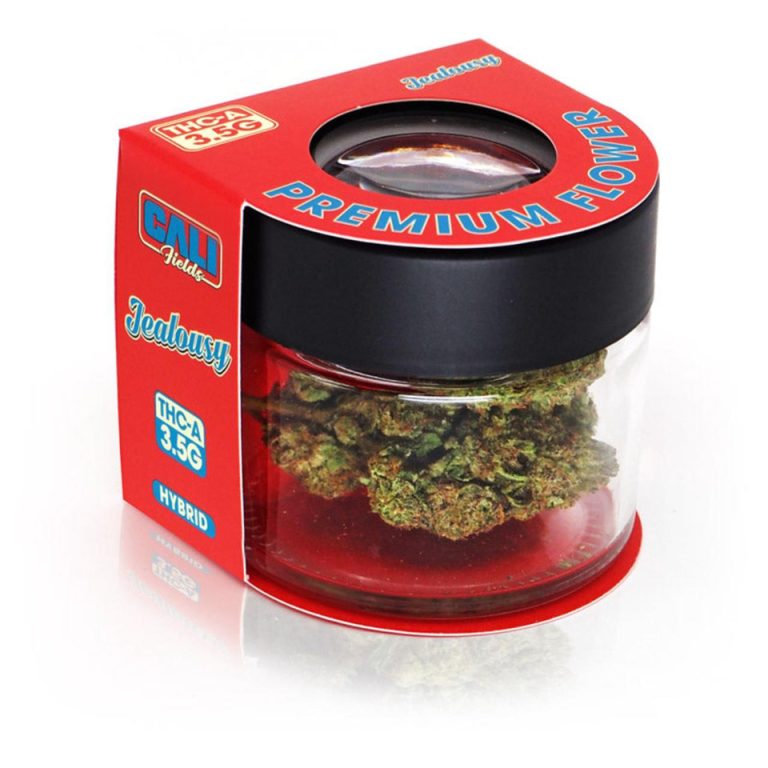
THCA is the acidic precursor that becomes delta-9 THC with heat. Learn how hemp is defined, why THCA is sold as hemp…
 Skip to content
Adults 21+ only. Tracked US shipping in plain, unbranded packaging.Tracked, discreet US shipping.


So, what is THC-P? THC-P, short for tetrahydrocannabiphorol, is a cannabinoid that Italian researchers identified in 2019, and it stands out chemically because of its longer side chain. In hemp products, it usually appears in small amounts as part of a blend, which is why knowing how to read a label and a lab report matters.
Cannabinoids share a common core structure with a tail of carbon atoms attached, called the alkyl side chain. Delta-9 THC, the most familiar cannabinoid, has a side chain of five carbon atoms. THC-P has seven. That longer chain is the defining feature that separates it from other THC variants.
The “-phorol” part of the full name, tetrahydrocannabiphorol, comes from the naming convention chemists use for cannabinoids with a seven-carbon chain. It’s the same naming logic that gives us related compounds like CBDP (cannabidiphorol).
A team of Italian researchers reported THC-P in 2019 after analyzing a cannabis variety using high-resolution mass spectrometry. They isolated the compound, confirmed its structure, and published their findings in a peer-reviewed journal. It was a reminder that the cannabis plant contains more than a hundred cannabinoids, and some are present in amounts so small they went unnoticed for decades.
THC-P is different from delta-8, delta-9, and delta-10 THC in a structural way. Those three differ from each other in the position of a double bond. THC-P differs from them in the length of its side chain. Labs test for each one separately, and a product label should name THC-P specifically if it’s included.
Hemp contains only trace amounts of naturally occurring THC-P, far too little to extract economically. Most THC-P in the market is produced by processing other hemp-derived cannabinoids in a lab, then refining the result into a distillate.
Because of that, THC-P is rarely the only cannabinoid in a product. Manufacturers usually add a small amount of it to a base made of other hemp cannabinoids. You’ll see names like “D9/THC-P,” “THCA/THCP,” or proprietary blend names on packaging.
There are a few practical reasons blends are so common:
If you see THC-P listed first on the front of a package, don’t assume it’s the largest component. Check the cannabinoid breakdown on the back or on the COA to see the actual amounts.
You’ll find THC-P in the same product types as other hemp cannabinoids. Browse the full range in our THC-P products category, or narrow it down by format:
Every format packs slightly different information on the box. This table shows what to look for depending on what you’re buying.
| Format | What to check on the label |
|---|---|
| Disposables | Total fill size (in grams or mL), the full list of cannabinoids in the blend, battery type and whether it’s rechargeable, batch number, and a QR code or link to the COA |
| Gummies | Cannabinoid content per piece and per package, number of pieces, ingredient and allergen list, storage instructions, expiration date, and batch number |
| Cartridges | Fill size, thread type for battery compatibility, cannabinoid blend breakdown, hardware material, and batch number |
| Pre-rolls | Weight per roll and count per pack, whether the flower is infused or coated, the cannabinoid blend, and batch number |
Across every format, look for an age warning (21+), the manufacturer’s name and contact information, and a clear way to access lab results. If any of those are missing, that’s a reason to look elsewhere.
Tip: Scan the QR code on the package before you open it. It should take you to a COA with a batch number that matches the one printed on the box. If the link is broken or the numbers don’t match, the report doesn’t describe the product in your hand.
A Certificate of Analysis is an independent lab’s report on a specific production batch. You can find reports for products we carry on our lab results page. Here’s how to work through one:
The 2018 Farm Bill defines hemp as cannabis containing no more than 0.3% delta-9 THC by dry weight, but it doesn’t settle every question about other cannabinoids. States set their own rules, and some restrict or ban THC-P and other hemp-derived THC products. These laws change often, so check your state’s current rules before you order. Our shipping policy lists where we can ship.
Standard drug screens look for THC metabolites, and THC-P products often contain other THC compounds too. Using any THC-containing product, hemp-derived or not, may lead to a positive test result. If you’re subject to testing for work, sports, or legal reasons, keep that in mind.
Yes. Both are shorthand for tetrahydrocannabiphorol. Brands use either spelling, and you may also see “THC-P” written with or without the hyphen on lab reports.
It occurs naturally in cannabis in trace amounts. Most THC-P in hemp products, though, is made by processing other hemp-derived cannabinoids, since natural levels are too low to extract practically.
THC-P is usually added in small amounts to a blend. The label and COA list each cannabinoid so you can see the full makeup of the product.
No. Some states restrict or prohibit it, and the rules change frequently. Check your state’s current laws before ordering.
THC-P is a cannabinoid defined by its seven-carbon side chain, first reported by Italian researchers in 2019. In hemp products, it’s almost always part of a blend. Read the full label, match the batch to its COA, and confirm your state’s rules before buying.
This article is for general information only and isn’t legal or medical advice. Hemp-derived products are for adults 21+. Laws vary by state; check yours before ordering.
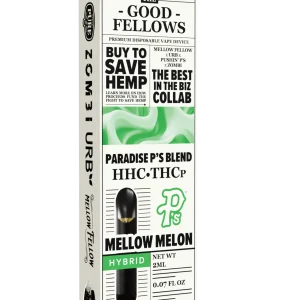
THCA is the acidic precursor that becomes delta-9 THC with heat. Learn how hemp is defined, why THCA is sold as hemp…
Oct 10, 2026 · 6 min read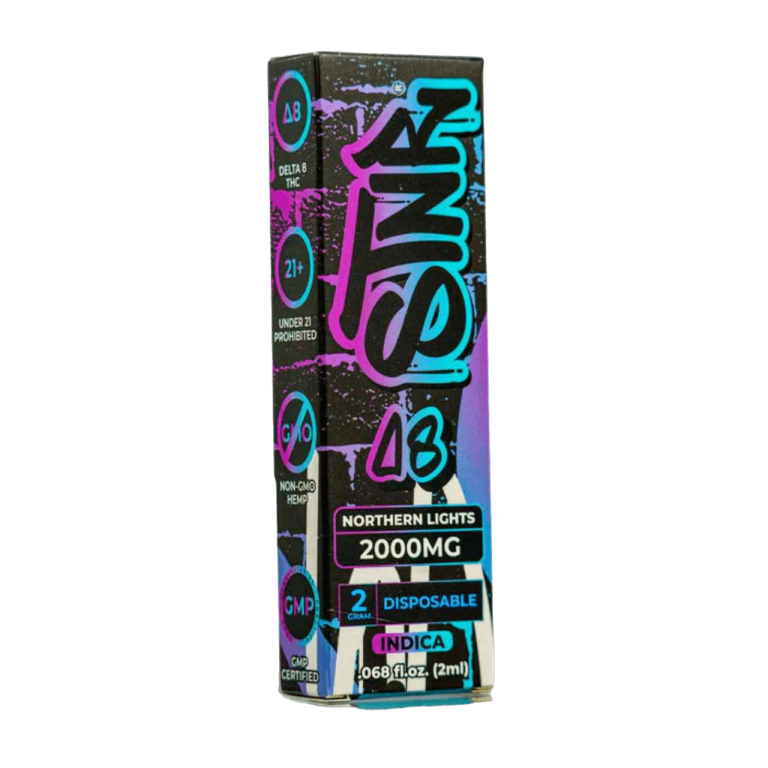
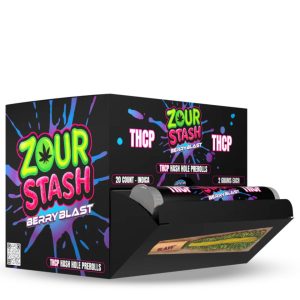
How delta-8, delta-9 and delta-10 THC differ chemically, how hemp versions are made, what the Farm Bill says, and how to check…
Oct 10, 2026 · 6 min read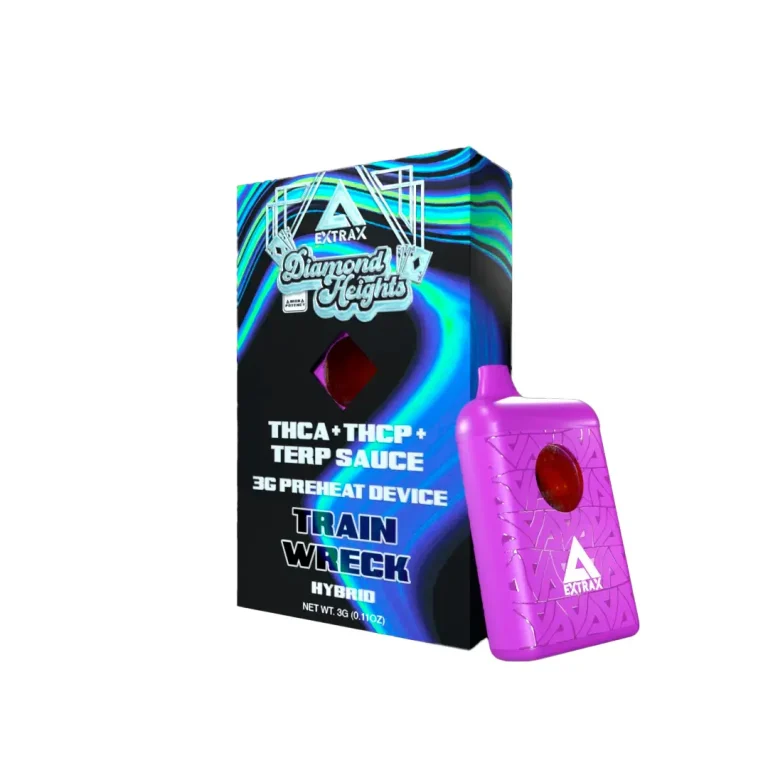
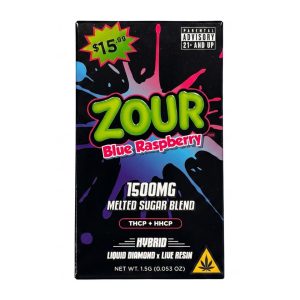
What to check before buying a THC disposable vape, plus how to store, charge, unclog and recycle it so it lasts to…
Oct 10, 2026 · 7 min read You must be at least 21 years old to enter this site. By entering, you confirm you are of legal age to purchase smoking accessories and hemp-derived products in your state.
Sorry, you must be 21 or older to enter Puffezee. This site sells products for adults only.