Vapes & Hemp
Delta-8 vs Delta-9 vs Delta-10: A Plain-English Guide
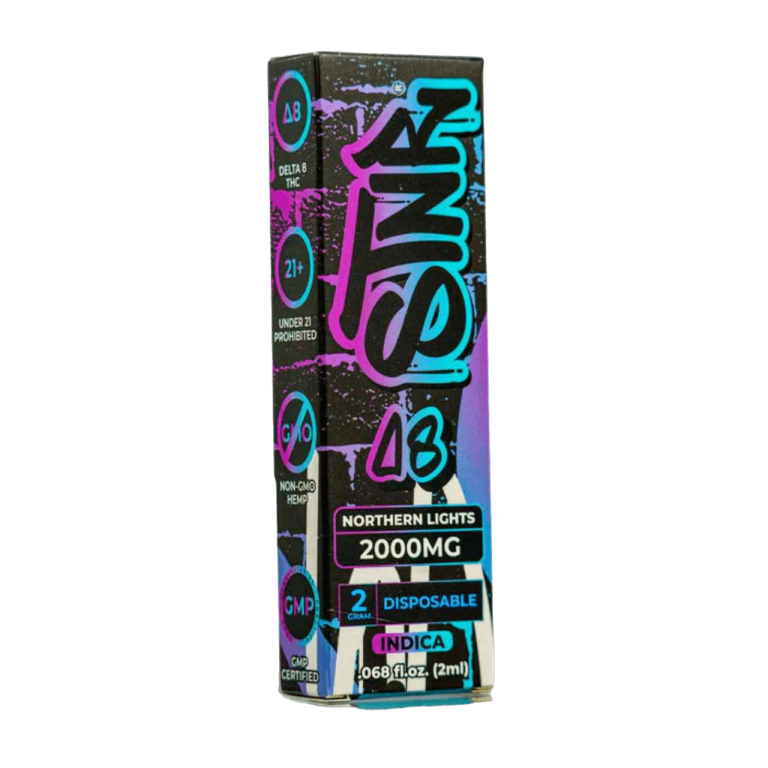
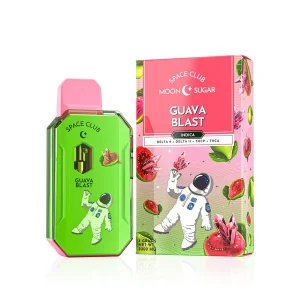
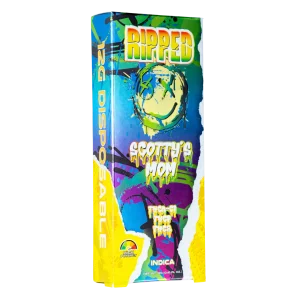
How delta-8, delta-9 and delta-10 THC differ chemically, how hemp versions are made, what the Farm Bill says, and how to check…
 Skip to content
Adults 21+ only. Tracked US shipping in plain, unbranded packaging.Tracked, discreet US shipping.

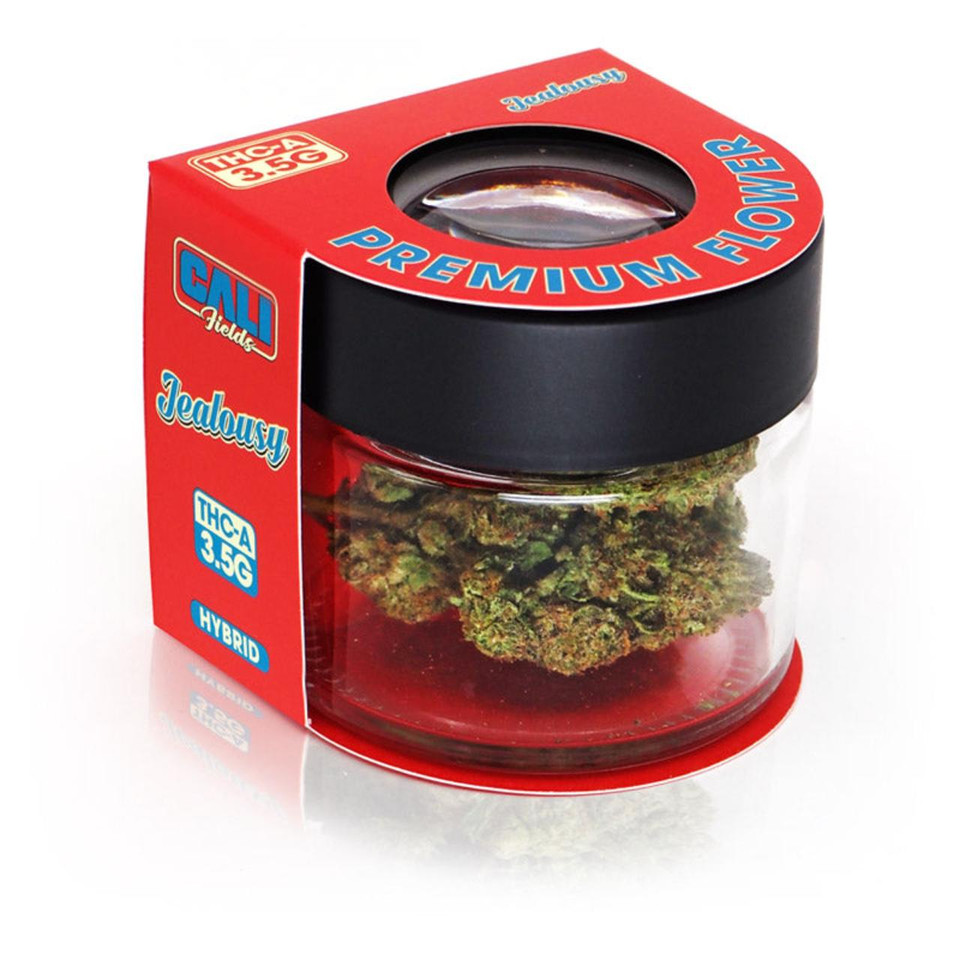
THCA vs delta 9 comes down to chemistry: THCA (tetrahydrocannabinolic acid) is the acidic, non-heated form of THC found in raw cannabis and hemp, while delta-9 THC is the compound THCA turns into when it’s heated. That single difference also shapes how these products are labeled, tested, and sold under federal hemp rules.
THCA is a cannabinoid that the cannabis plant produces naturally as it grows. In fresh, raw plant material, most of the THC-type content exists as THCA rather than THC. Chemically, THCA has an extra carboxyl group (a small cluster of carbon, oxygen, and hydrogen atoms) attached to the molecule. That extra group is what makes it an “acid.”
The key thing to understand is that THCA is a precursor. It’s the starting point, not the finished compound.
When THCA is exposed to enough heat, that carboxyl group breaks off and is released as carbon dioxide. What’s left behind is delta-9 THC. This reaction is called decarboxylation, often shortened to “decarbing.”
Decarboxylation happens when plant material is smoked or vaporized, and it can also happen more slowly over time with exposure to heat and light during storage. That’s why storage conditions matter and why lab testing reports both THCA and delta-9 THC separately.
Delta-9 tetrahydrocannabinol is the most well-known cannabinoid in cannabis. The “delta-9” part refers to the location of a double bond in the molecule’s carbon chain, which separates it from related compounds such as delta-8 THC. When people simply say “THC,” they usually mean delta-9.
Delta-9 THC is also the compound that federal law uses to draw the line between hemp and marijuana, which is why it shows up on every hemp product’s lab report.
The 2018 Farm Bill defined hemp as the cannabis plant and its derivatives containing no more than 0.3% delta-9 THC on a dry-weight basis. Products that meet that definition are considered hemp-derived at the federal level.
Notice what the definition names: delta-9 THC. Hemp flower can contain a meaningful amount of THCA while its delta-9 THC concentration stays at or below 0.3% by dry weight. That’s the reason THCA flower and related products are sold as hemp. Their lab reports show delta-9 THC within the federal limit, even though the THCA figure may be much higher.
It’s important to be clear-eyed about this. Because THCA becomes delta-9 THC when heated, how THCA products are treated depends on how a given state writes and interprets its rules. Some states look only at delta-9 THC, some account for total THC, and some restrict hemp-derived intoxicating products in other ways. State laws vary and can change, so always check the current rules where you live before you buy. Our shipping policy explains where we can and can’t ship.
| Feature | THCA | Delta-9 THC |
|---|---|---|
| What it is | Acidic precursor cannabinoid | The decarboxylated form of THCA |
| Where it’s found | Raw, unheated cannabis and hemp | Heated or aged plant material; also in finished products |
| Changes with heat? | Yes, converts to delta-9 THC | Already converted |
| Named in the Farm Bill hemp definition? | No | Yes (no more than 0.3% by dry weight) |
| Common formats | Flower, pre-rolls, diamonds, disposables, cartridges | Gummies, edibles, beverages, tinctures |
| Shown on a COA? | Yes, as THCA | Yes, as delta-9 THC (often with total THC) |
| Can affect a drug test? | Yes | Yes |
THCA shows up in several forms, each suited to a different preference and accessory setup.
Hemp flower is the dried, cured plant, sold by weight and by strain name. It’s the most traditional format and gives you full control over how you prepare it: grinding, rolling, or packing a bowl. Browse THCA flower and pre-rolls to see what’s in stock.
Pre-rolls are ground flower already rolled into a cone or blunt wrap. Some are “infused,” meaning they’re coated or packed with concentrate such as diamonds or kief. They’re convenient if you’d rather skip the grinding and rolling.
THCA disposables are all-in-one vape devices with a built-in battery and pre-filled oil, while cartridges attach to a separate battery. Many blends combine THCA with other hemp-derived cannabinoids, so read the label and COA carefully to see exactly what’s inside. See our THC disposables for current options.
THCA diamonds are crystalline concentrates made of highly isolated THCA. They look like small, clear crystals and are usually used with a dab rig or similar setup, or used to infuse pre-rolls. Because they are a concentrate, they should be handled and stored with care.
If you’re more interested in products labeled by delta-9 content, such as hemp-derived gummies, those are grouped separately under delta-9 products.
This is the part people most often get wrong, so here it is plainly: standard drug tests look for THC metabolites, and they don’t distinguish between THC that came from a “hemp” product and THC that came from anything else.
If you’re subject to workplace, legal, athletic, or any other drug testing, the safest assumption is that THCA and delta-9 products can cause you to fail.
A Certificate of Analysis (COA) is a lab report from an independent, third-party laboratory. It’s your best tool for confirming that a product is what the label says. Here’s what to look for:
You can review reports for products we carry on our lab results page.
Tip: Store THCA flower and concentrates in an airtight container in a cool, dark place. Heat and light can gradually convert THCA to delta-9 THC, which changes what the product’s COA originally reported.
No. THCA is the acidic precursor, and delta-9 THC is what it becomes after decarboxylation (heating). They’re closely related but chemically distinct, and lab reports list them separately.
Because the 2018 Farm Bill defines hemp by its delta-9 THC concentration, no more than 0.3% on a dry-weight basis. THCA flower that tests within that delta-9 limit is sold as hemp-derived, though state rules can treat it differently.
You should assume THCA and delta-9 products can cause a positive drug test. Tests look for THC metabolites, and heated THCA becomes delta-9 THC. If testing matters to you, avoid these products.
It depends on where you live. State laws vary and can change, and some states restrict hemp-derived THC products. Check your state’s current rules before ordering, and see our FAQ for more on ordering and age requirements.
In short, THCA and delta-9 THC are two stages of the same molecule: one before heat, one after. Knowing that difference helps you read labels, understand why THCA is sold as hemp, and make informed, legal choices. Always check the COA, know your state’s rules, and remember that all hemp-derived products are for adults 21+.
This article is for general information only and isn’t legal or medical advice. Hemp-derived products are for adults 21+. Laws vary by state; check yours before ordering.
How delta-8, delta-9 and delta-10 THC differ chemically, how hemp versions are made, what the Farm Bill says, and how to check…
Oct 10, 2026 · 6 min read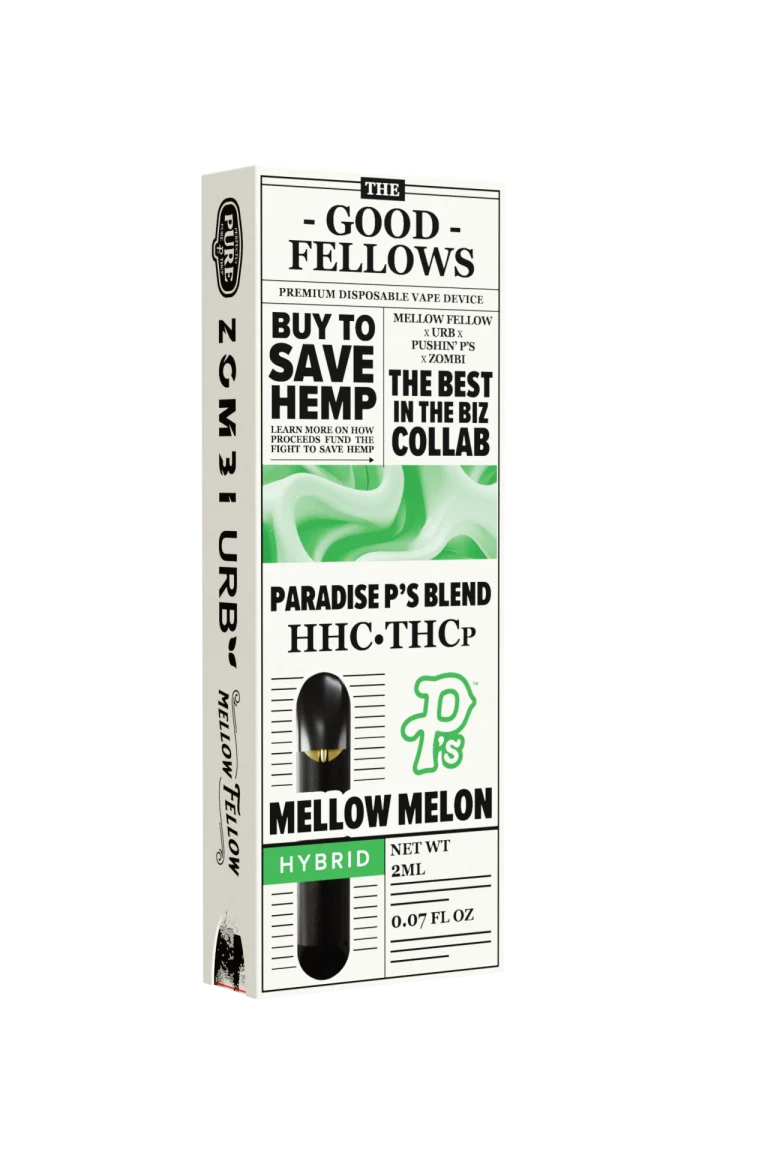
What THC-P is, how it shows up in hemp blends, the formats you will see on shelves, and how to read the…
Oct 10, 2026 · 6 min read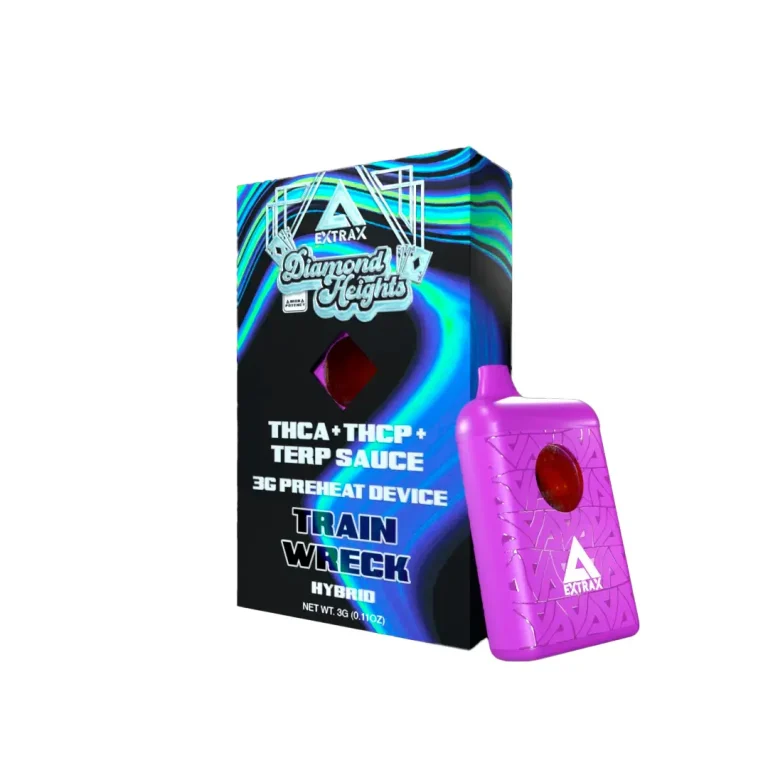
What to check before buying a THC disposable vape, plus how to store, charge, unclog and recycle it so it lasts to…
Oct 10, 2026 · 7 min read You must be at least 21 years old to enter this site. By entering, you confirm you are of legal age to purchase smoking accessories and hemp-derived products in your state.
Sorry, you must be 21 or older to enter Puffezee. This site sells products for adults only.