Rolling & Accessories
2-Piece vs 4-Piece Grinder: How to Pick the Right Herb Grinder
Compare 2-, 3- and 4-piece and electric herb grinders, learn which materials and teeth to look for, and how to clean and…
 Skip to content
Adults 21+ only. Tracked US shipping in plain, unbranded packaging.Tracked, discreet US shipping.


Choosing between rolling papers vs cones comes down to control versus convenience: papers let you shape every roll exactly how you like, while pre-rolled cones give you a consistent shape in a fraction of the time. Size and material matter just as much as the format, so this guide walks through both and helps you pick the right fit for how you actually roll.
Both options start from the same thing: a thin sheet of paper with a strip of natural gum along one edge. The difference is who does the shaping. With loose papers, you form the roll by hand. With pre-rolled cones, the paper has already been rolled into a tapered tube around a filter tip, so all you do is fill and close it.
A simple rule: if you enjoy the ritual of rolling and want the most out of every pack, go with papers. If you value speed, consistency or you are still learning, cones make life easier. You can browse both side by side in our rolling papers and tips collection and our pre-rolled cones selection.
Paper names can feel confusing because they describe size in a mix of fractions and marketing terms. The good news is that the most common sizes are fairly standardized across brands, and cones generally follow the same naming as papers. Lengths below are approximate and vary slightly by manufacturer.
| Size | Approximate length | Width | Who it suits |
|---|---|---|---|
| Single Wide | About 70 mm | Narrow | Small, solo rolls and people who want a slim, quick burn |
| 1 1/4 | About 78 mm | Medium | The everyday all-rounder; easy for beginners and great for sharing with one or two people |
| 1 1/2 | Similar length to 1 1/4 | Wider | People who like a fatter roll without extra length |
| King Size Slim | About 110 mm | Narrower than King Size | Longer rolls with a slim profile and less paper per roll |
| 98 Special | About 98 mm | Medium-wide | A middle ground between 1 1/4 and King Size, often seen in cones |
| King Size | About 110 mm | Wide | Group sessions and anyone who wants the largest standard roll |
If you are unsure, start with 1 1/4. It is forgiving to roll, widely available in both papers and cones, and it pairs well with standard tips. Once you know whether you want more length or more width, step up to King Size Slim or 98 Special.
The material changes how a paper handles, how fast it burns and how much of its own flavor comes through.
Rice papers are usually very thin and nearly translucent. They burn slowly and have a mild taste, which is why many people choose them when they want the flavor of their herbs to stand out. They can be slippery for beginners.
Hemp papers have a slightly textured feel that gives your fingers more grip, making them a solid choice for learning. They tend to burn at a moderate, steady pace and are a popular middle ground between ease of rolling and clean taste.
Wood pulp papers are thicker and easier to handle, especially in humid weather. They burn faster and can carry more paper flavor, but they are the most forgiving for newcomers.
A tip (also called a crutch or filter tip) is a small rolled piece of card or a pre-made tip that goes in the mouth end of a roll. It gives the roll structure, keeps loose material out of your mouth and lets you finish the roll without singed fingers. Pre-rolled cones almost always come with a tip already installed.
Cones are simple, but a few habits make the difference between a tight, even roll and one that canoes or runs.
Tip: Squeeze the cone gently between your fingers as you fill it. If you feel soft spots, add a pinch more there and pack again. An even firmness from tip to top is the secret to an even burn.
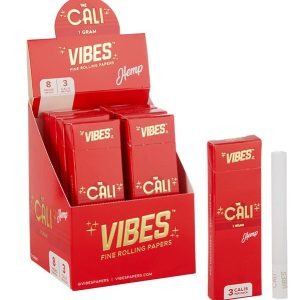
Wraps are a third option alongside papers and cones. They are thicker, broader sheets, traditionally tobacco-leaf based, though many are now made from hemp or other plant materials. Hemp wraps and hemp cones offer a slower, heavier burn and a bigger roll, and they often come in flavored versions. Because they are thicker, they are easier to handle than ultra-thin papers but take a little more effort to seal.
Good storage keeps papers flat and cones in shape, so they are ready when you are.
Here is a quick way to decide:
For more how-tos on accessories, check out our Puffezee guides.
Yes, for most people. Cones are already shaped and tipped, so you only need to fill and twist them closed. Papers take practice but give you more control over shape and size.
1 1/4 is the most common all-around size. It is easy to roll, widely available in papers and cones, and fits standard tips.
Both are similar in length, but King Size Slim is cut narrower. Slims use less paper per roll and hold a little less, while standard King Size is wider and holds more.
Not really. Unbleached and bleached papers handle about the same. The material (rice, hemp or wood pulp) and thickness affect rolling and burn far more than color does.
Match the size and material to how you roll, start with a versatile 1 1/4, and store everything flat and dry so it is ready when you need it.


Compare 2-, 3- and 4-piece and electric herb grinders, learn which materials and teeth to look for, and how to clean and…
Oct 10, 2026 · 6 min read
Learn how to tare, switch units and calibrate a digital pocket scale, plus tips for accurate readings, common error codes and care.
Oct 10, 2026 · 7 min read
What THC-P is, how it shows up in hemp blends, the formats you will see on shelves, and how to read the…
Oct 10, 2026 · 6 min read You must be at least 21 years old to enter this site. By entering, you confirm you are of legal age to purchase smoking accessories and hemp-derived products in your state.
Sorry, you must be 21 or older to enter Puffezee. This site sells products for adults only.